Home → Travel Guides → Planning
Tanzania is a year-round destination, but timing your visit correctly can make a huge difference to your experience — whether you're planning a wildlife safari, a Kilimanjaro climb or a Zanzibar beach holiday. Here's our month-by-month guide from local experts based in Moshi.
Long Dry Season (June–October): This is Tanzania's peak safari season. Vegetation thins out, wildlife congregates around water sources and the Great Migration's river crossings peak in July–October. Temperatures are pleasant (20–26°C), skies are clear and game viewing is at its finest. Expect higher lodge prices and more visitors.
Short Dry Season (January–February): A second dry window with excellent game viewing, lower prices and fewer crowds. The short rains end in December, leaving fresh green landscapes and great calving season action on the southern Serengeti plains (January–February).
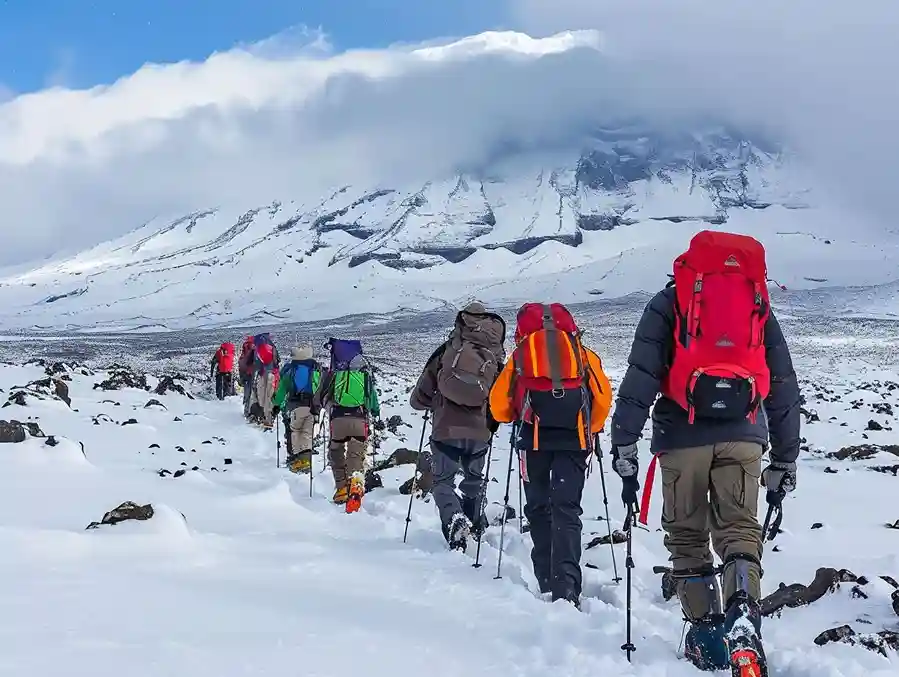
The two best windows for Kilimanjaro climbing are January–February and August–October. These offer the most stable weather, clearest skies and best summit success rates. Avoid April–May (heavy rains) and November (short rains) if possible. Our guides can assist in any month — but booking during the recommended windows maximises your summit chances.
June–October and December–February are Zanzibar's prime beach seasons — dry, warm (27–30°C) with calm Indian Ocean waters ideal for snorkelling and diving. March–May brings the long rains; November the short rains. Even in the wet season, Zanzibar rarely rains all day — mornings are often sunny.
Our Moshi-based team can advise on the best dates for your specific travel plans. Contact us for a personalised recommendation.
Get Advice View Safari Packages