
Home → Travel Guides → Kilimanjaro
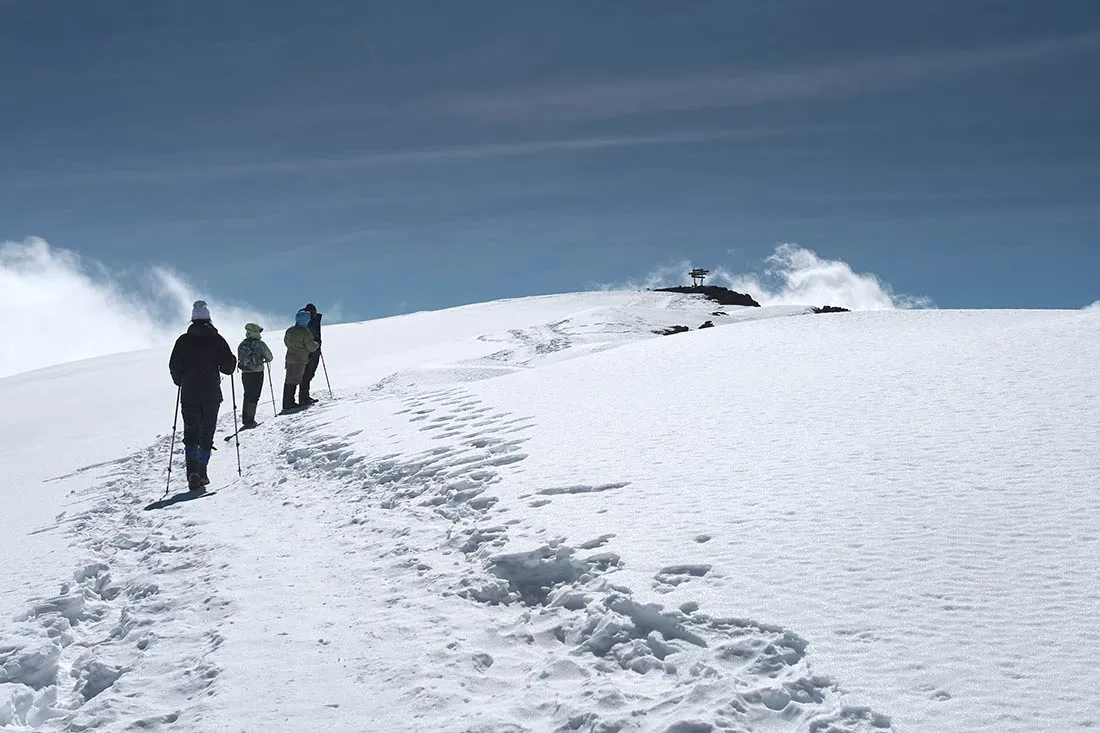
Mount Kilimanjaro attracts around 50,000 climbers per year. The overall summit success rate — reaching Uhuru Peak at 5,895m — is approximately 65%. However, this figure varies enormously by route and operator. Here's what actually determines your chances.
1. Acclimatisation: The single most important factor. Going too fast causes altitude sickness. Choose a longer route and follow the "pole pole" (slowly slowly) mantra.
2. Physical fitness: You don't need to be a mountaineer, but regular hiking and cardio fitness for 3–4 months before the climb significantly increases your chances.
3. Mental determination: Summit night is physically and mentally challenging. The ability to push through discomfort is as important as physical fitness.
4. Guide quality: An experienced, licensed guide who monitors your acclimatisation symptoms and adjusts pace accordingly is invaluable.
5. Altitude medication: Diamox (acetazolamide) is commonly used to aid acclimatisation. Consult your doctor before taking any medication.
Acute Mountain Sickness (AMS) affects the majority of climbers to some degree above 3,000m. Mild symptoms — headache, fatigue, nausea — are normal and not cause for immediate descent. Severe symptoms — confusion, loss of coordination, extreme shortness of breath at rest — require immediate descent. Our guides are trained in altitude medicine and monitor all climbers daily.
Our KINAPA-licensed guides have summited Kilimanjaro hundreds of times and know exactly how to read acclimatisation symptoms and pace each climber for the best chance of success.
View Routes Plan My Climb