
Home → Destinations → Ngorongoro Crater
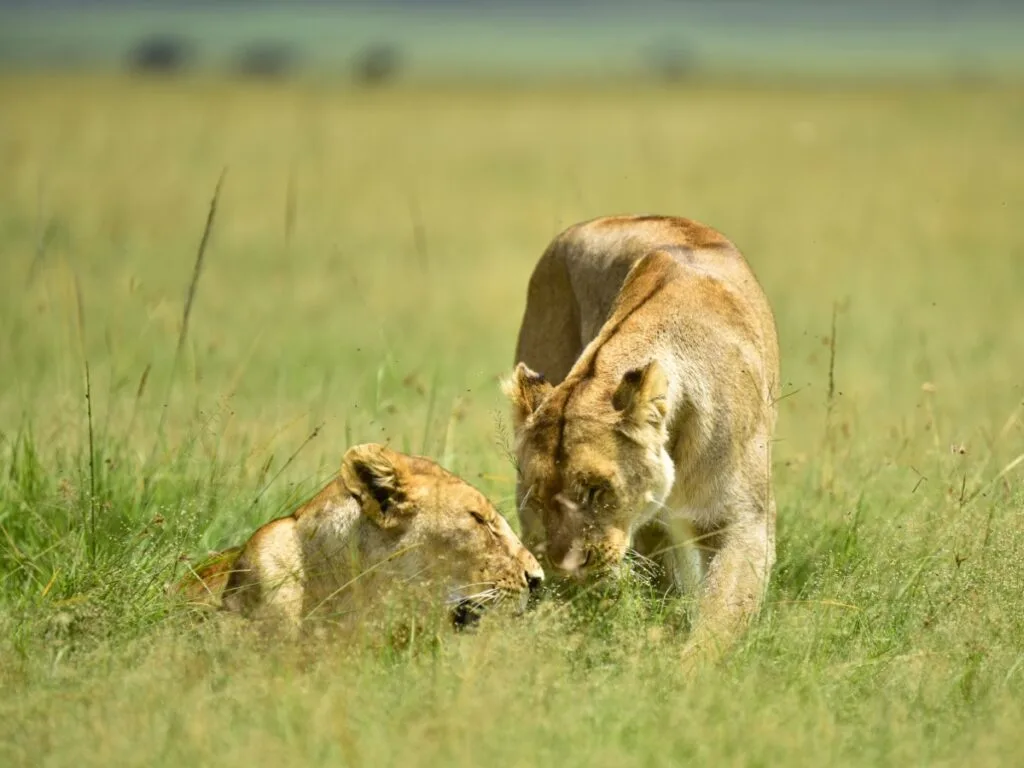
Ngorongoro Crater is arguably Africa's most spectacular natural arena. The world's largest intact volcanic caldera — 19 km across and 600 m deep — shelters a self-contained ecosystem of over 25,000 large animals including Africa's densest population of lions, elephant herds, black rhino and flamingo-fringed lakes. A UNESCO World Heritage Site, it is one of Tanzania's most treasured and visited attractions.
Because the crater walls form a natural enclosure, most animals remain inside year-round. The crater floor hosts large prides of lions, elephant bulls (cows rarely descend into the crater), black rhino — one of Tanzania's best places to see them — spotted hyena, golden jackal, hippo pools and thousands of flamingos on Lake Magadi. Leopard are present but seldom seen. Over 500 bird species have been recorded across the Conservation Area.
The Ngorongoro Conservation Area is a multiple-use area: Maasai communities have grazed their cattle on the crater rim and surrounding highlands for centuries and continue to do so today. A visit often includes encounters with Maasai villages (bomas) and the opportunity to learn about their traditions, cattle culture and relationship with the land.
The crater can be visited year-round. The dry season (June–September) offers clearer skies and easier driving. The green season (November–March) is lush and beautiful with excellent birdwatching; grass is longer, making predator sightings slightly harder but the scenery is extraordinary.
Our local guides will craft your perfect itinerary.
Get Free Quote WhatsApp